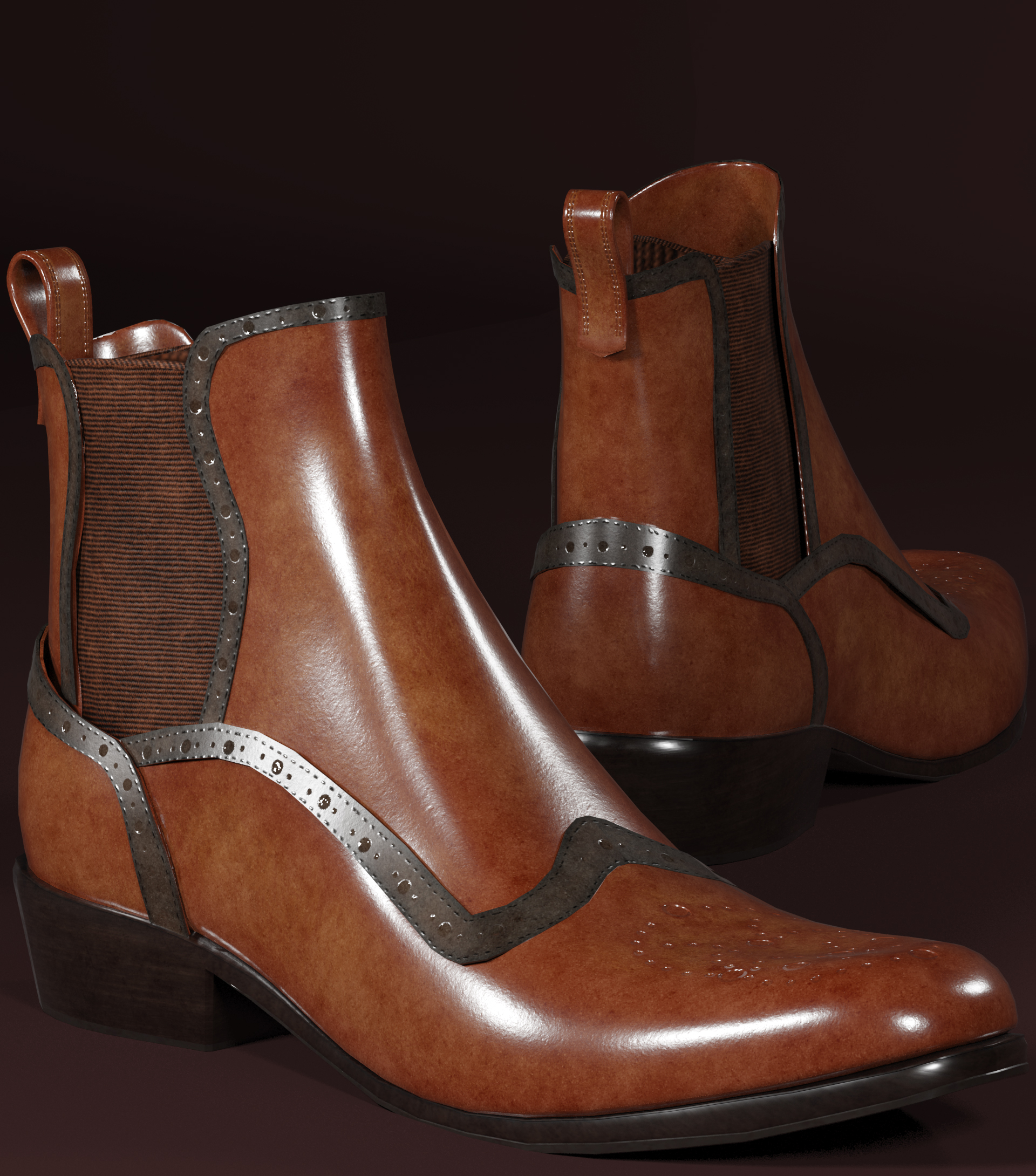
LEATHER FOOTWEAR | PRODUCT VISUALIZATION
Technical details
| Technical Field | Information |
| Project | Boots |
| Production | Personal proyect |
| Category | Prop Asset |
| Type | Product Visualization · PBR Workflow |
| Software | 3ds Max · Adobe Substance 3D Painter · V-Ray |
| Rendering | V-Ray |
| Texture Resolution | 2K |
| Texture Sets | 1 |
| Duration | 3 days |
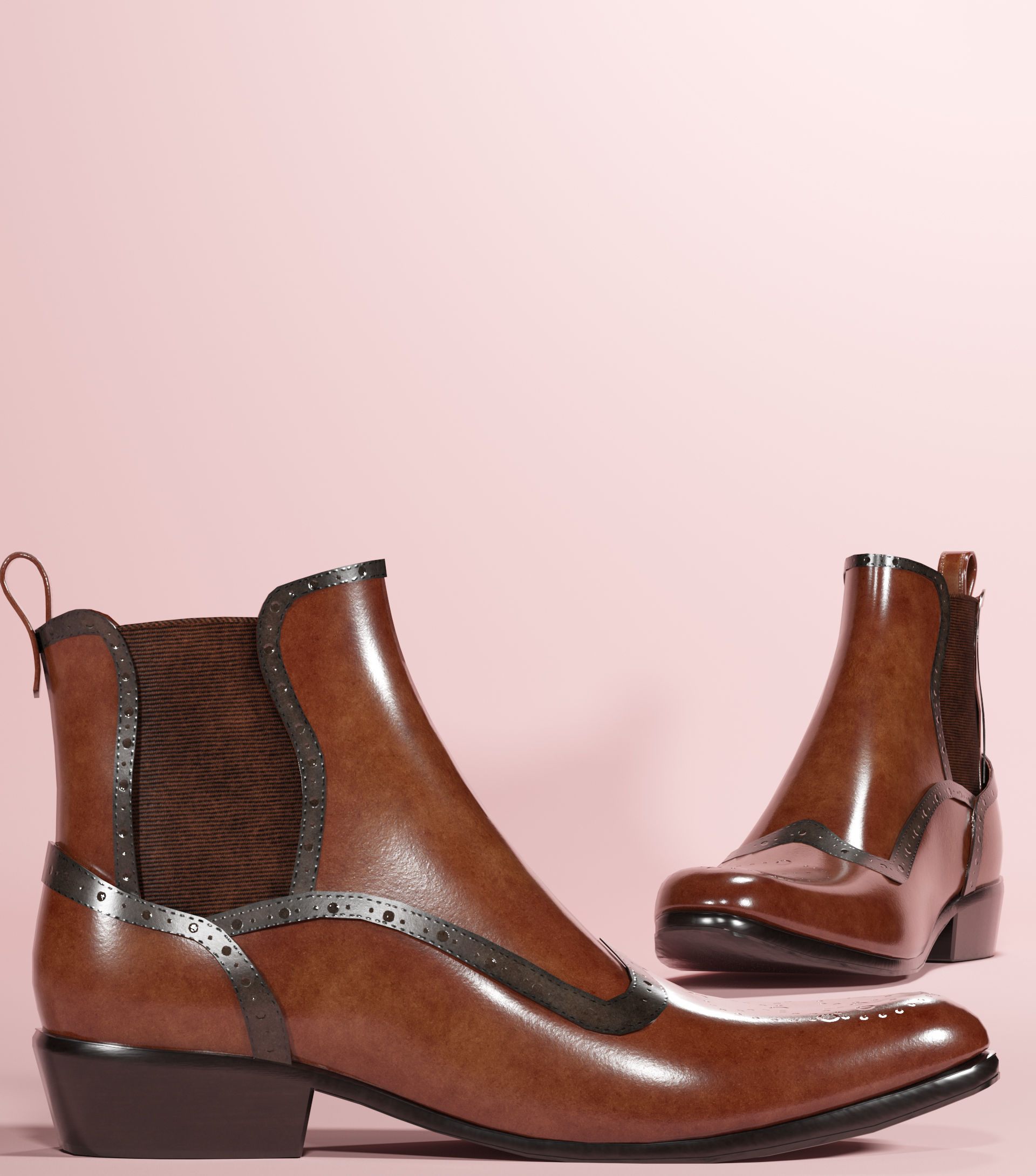
Project Goal
This personal project was developed as a Product Visualization exercise focused on the study of modeling through Subdivision Surface Modeling, the construction of a clean topology, and the physically coherent representation of manufactured materials.
The objective was to produce an asset with a solid geometry, a consistent PBR texturing, and a final presentation using studio lighting in V-Ray, paying special attention to surface quality, material reading, and the overall visual finish.
Workflow
Modeling
The asset was developed entirely in 3ds Max using a workflow based on Subdivision Surface Modeling (SubD).
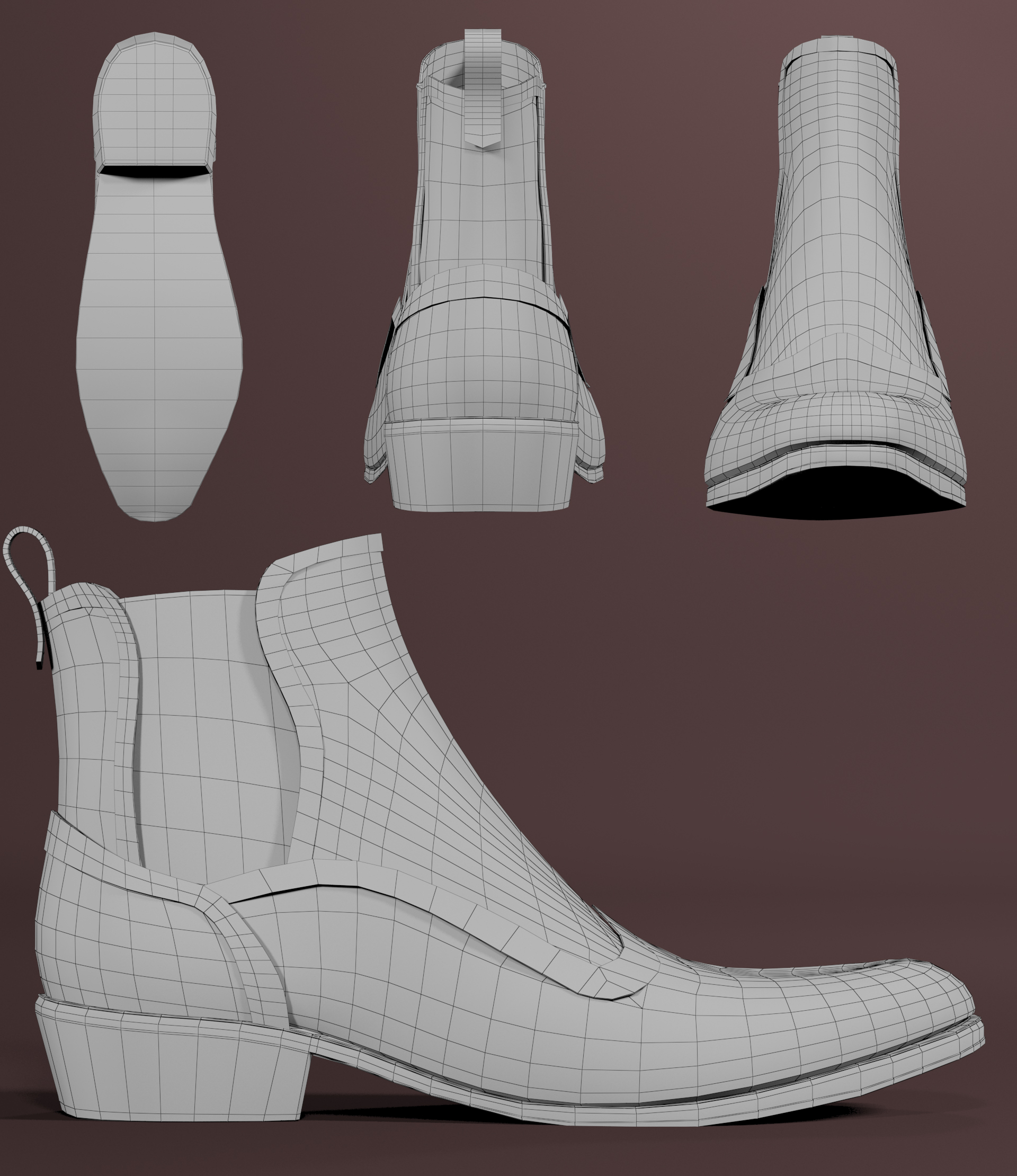
The production focused on maintaining a clean topology, a continuous Edge Flow, and a balanced geometry distribution to preserve the continuity of curved surfaces and guarantee correct subdivision of the model. The organization of the Support Loops was planned to precisely control the bevel radius of each part and achieve smooth transitions between the different elements of the footwear.
Wireframe images show the mesh organization, the distribution of support loops, and the clean topology used throughout production, reflecting an orderly and easily editable structure that follows standard subdivision surface modeling criteria.
Materials
The texturing process was performed entirely in Adobe Substance 3D Painter using a single 2K Texture Set, which was sufficient for the scale and purpose of the project.
The work focused mainly on reproducing the physical behavior of manufactured materials, especially leather, through controlled variations of Base Color, Roughness, and superficial micro-detail that break the uniformity of the material without resorting to excessive wear. The rest of the materials —elastic fabric, rubber, and metallic elements— received a specific treatment according to their physical properties, seeking a clear and coherent reading across all the asset's surfaces.
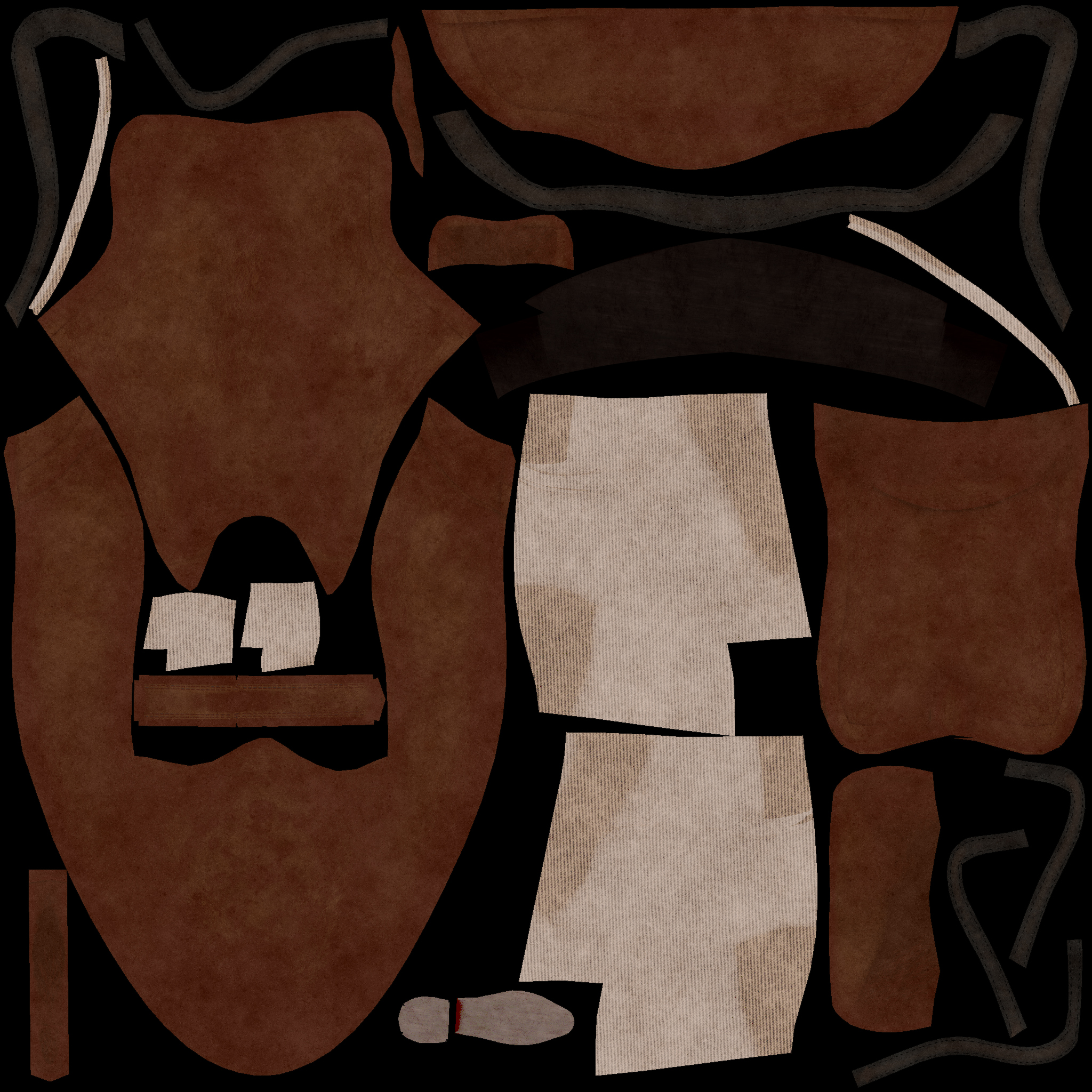
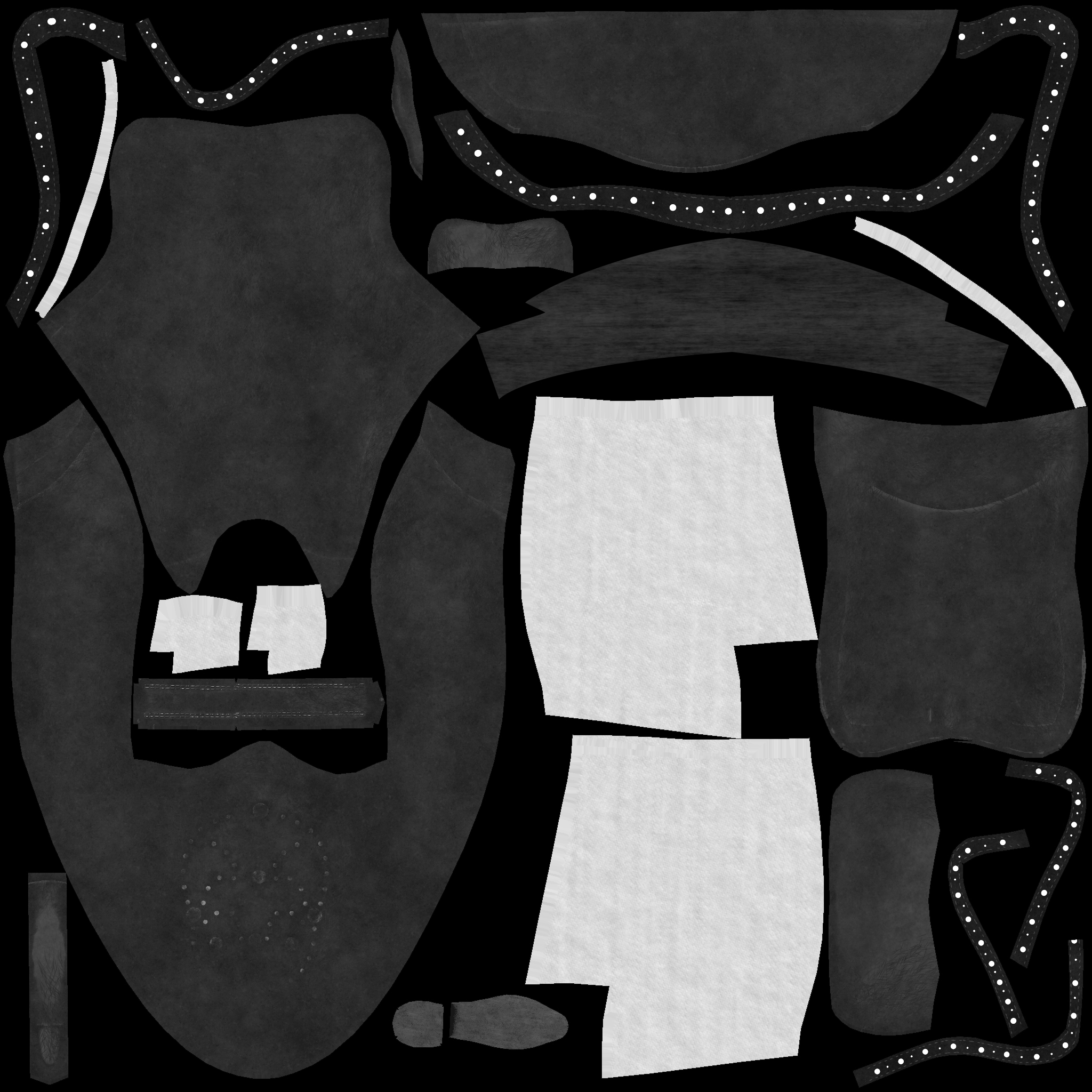
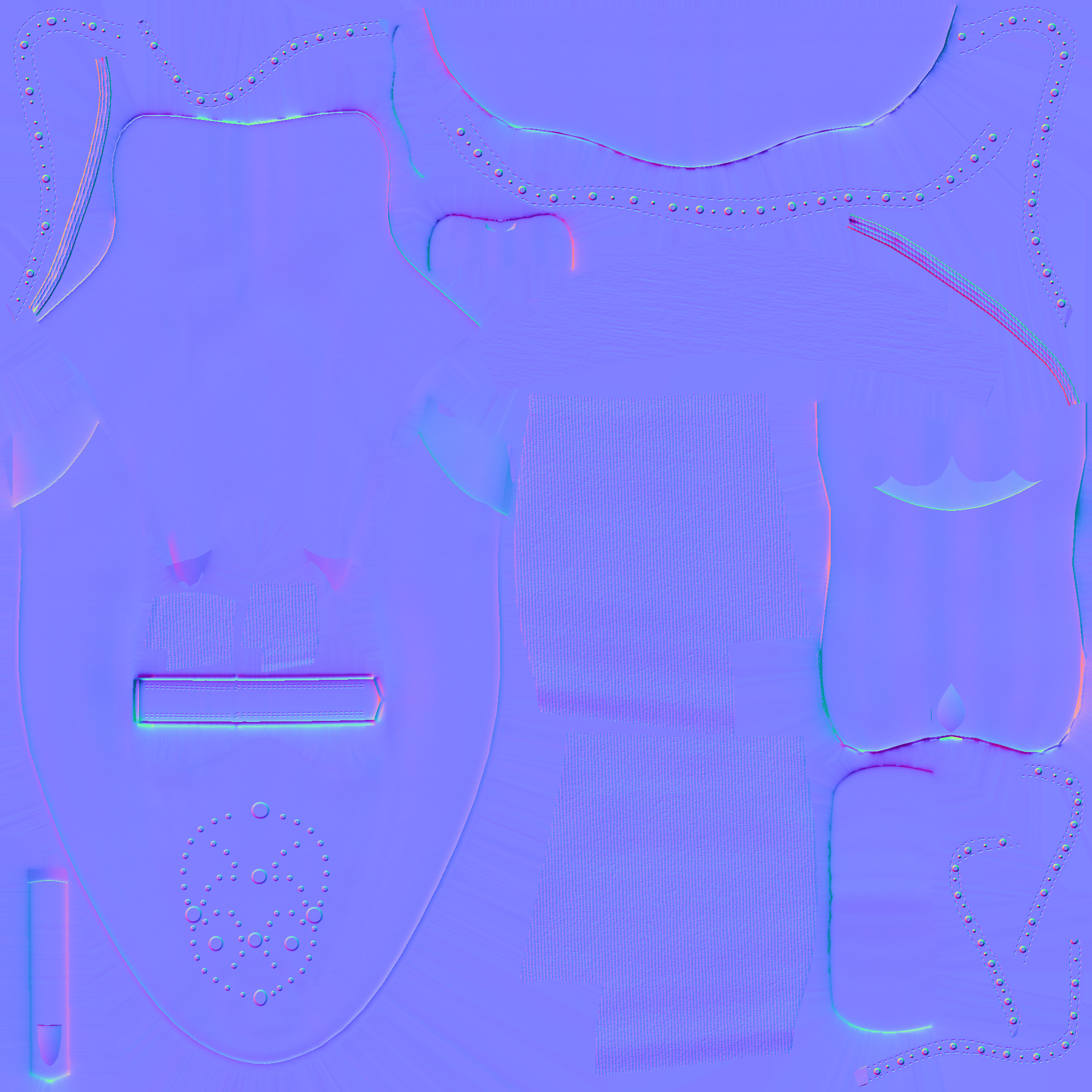
DIFUSSE/ROUGHNESS/NORMAL
Product Rendering
The final presentation was carried out using V-Ray, utilizing a manually built studio lighting setup, deliberately avoiding the use of HDRI maps.
This approach allowed for precise control over the direction, intensity, and softness of each light source to emphasize the model's volume, surface continuity, and the specular response of the different materials, especially the leather.
Beyond obtaining an attractive image, the objective was to validate the asset's behavior under a completely controlled lighting scheme, following standard methodology in Product Visualization projects.