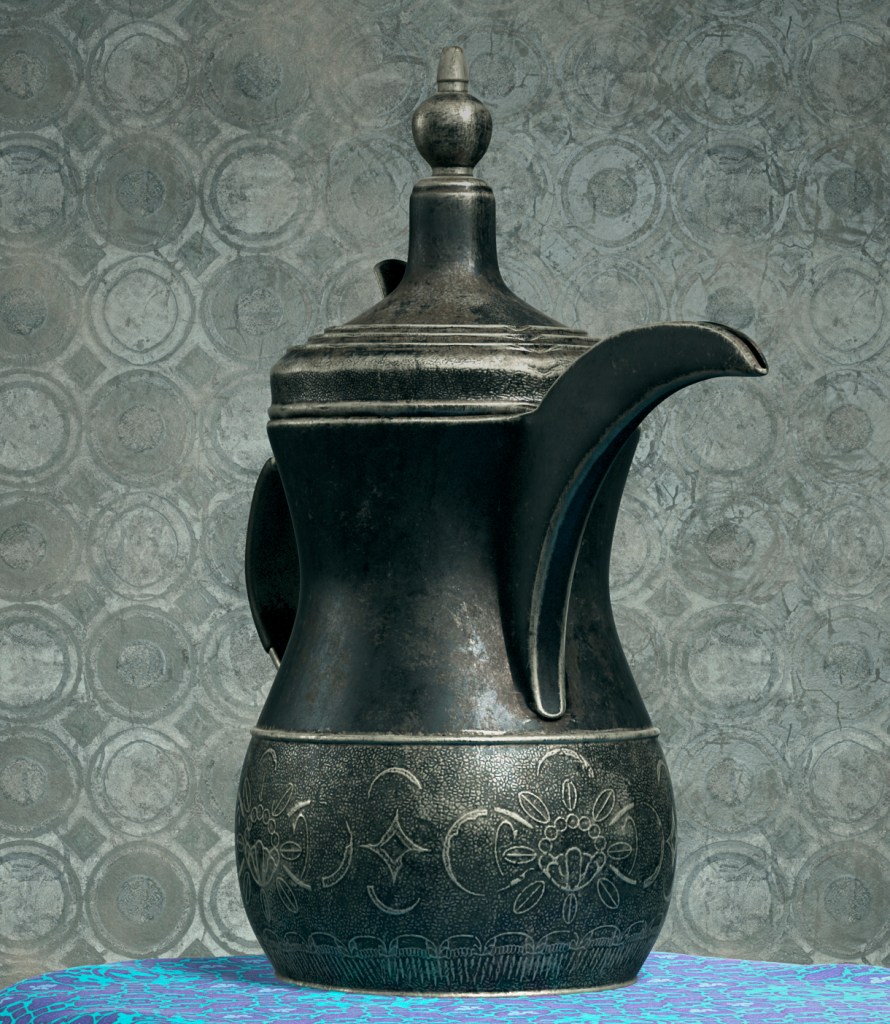

ARABIC DECORATIVE SET | DECORATIVE PROPS
Technical details
| Technical Field | Information |
| Project | Arabic Decorative Set |
| Production | Personal proyect |
| Rol | 3D Prop Artist |
| Category | Decorative Props |
| Type | Polygonal Modeling · Decorative Asset Pack |
| Software | 3ds Max · Adobe Substance 3D Painter · Adobe Substance 3D Designer · V-Ray |
| Assets | Arabic Lantern · Arabic Dallah |
| Texture Sets | 1 for asset |
| Texture Resolution | 2K |
| Duration | 6 days |
| Pipeline | PBR Workflow |
Workflow
Asset Production
This project brings together two Decorative Props developed as a small Asset Pack, conceived to share the same artistic language and integrate naturally within the same environment.
Although neither asset was intended to be a Hero Prop, the entire production was approached following standard video game development criteria, where asset consistency, reuse, and visual cohesion are fundamental to building believable environments. These types of props play an essential role within environment dressing, providing visual richness, reinforcing the environment's identity, and contributing to environmental storytelling without becoming the main focus of the scene.
Modeling
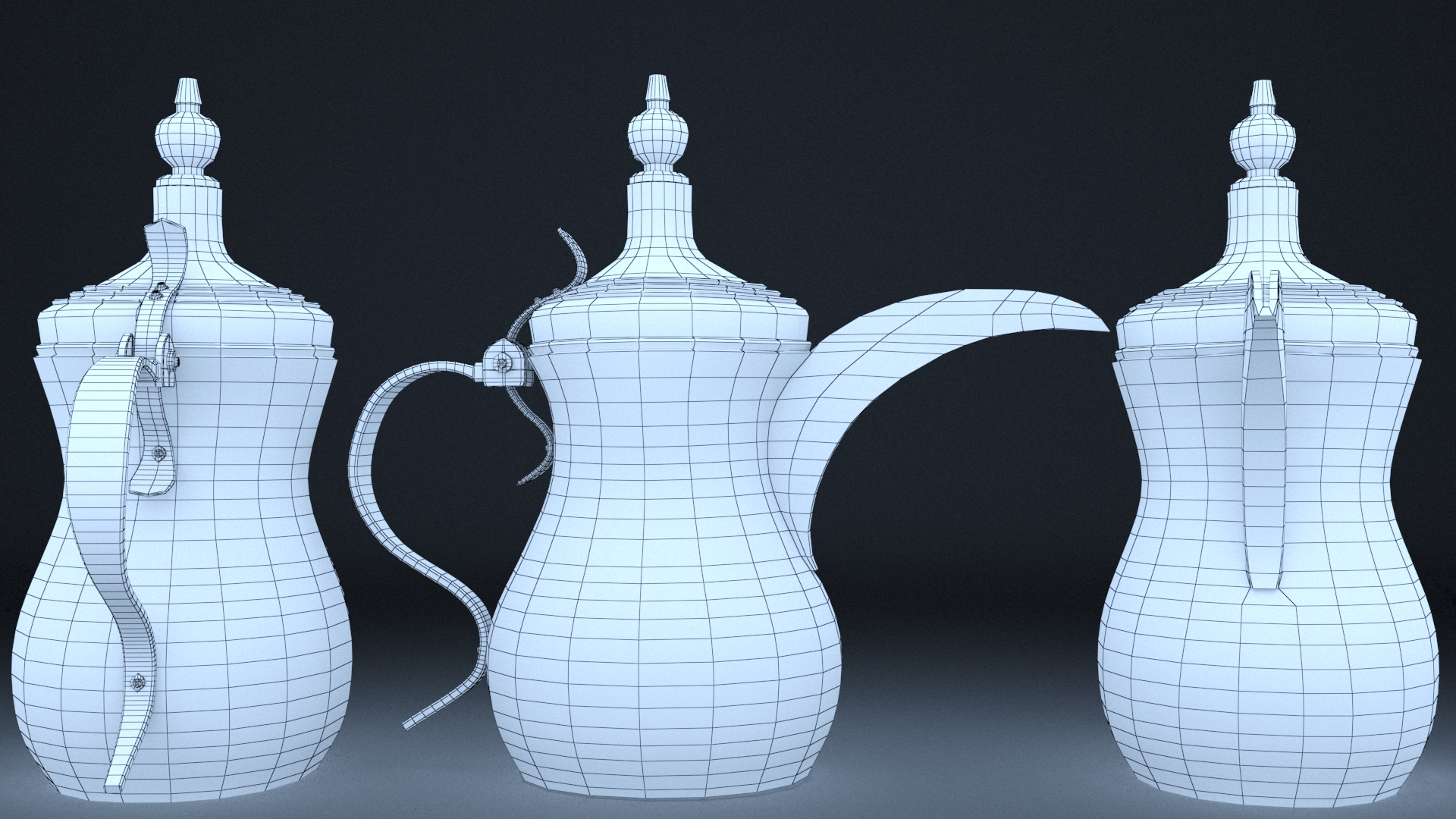
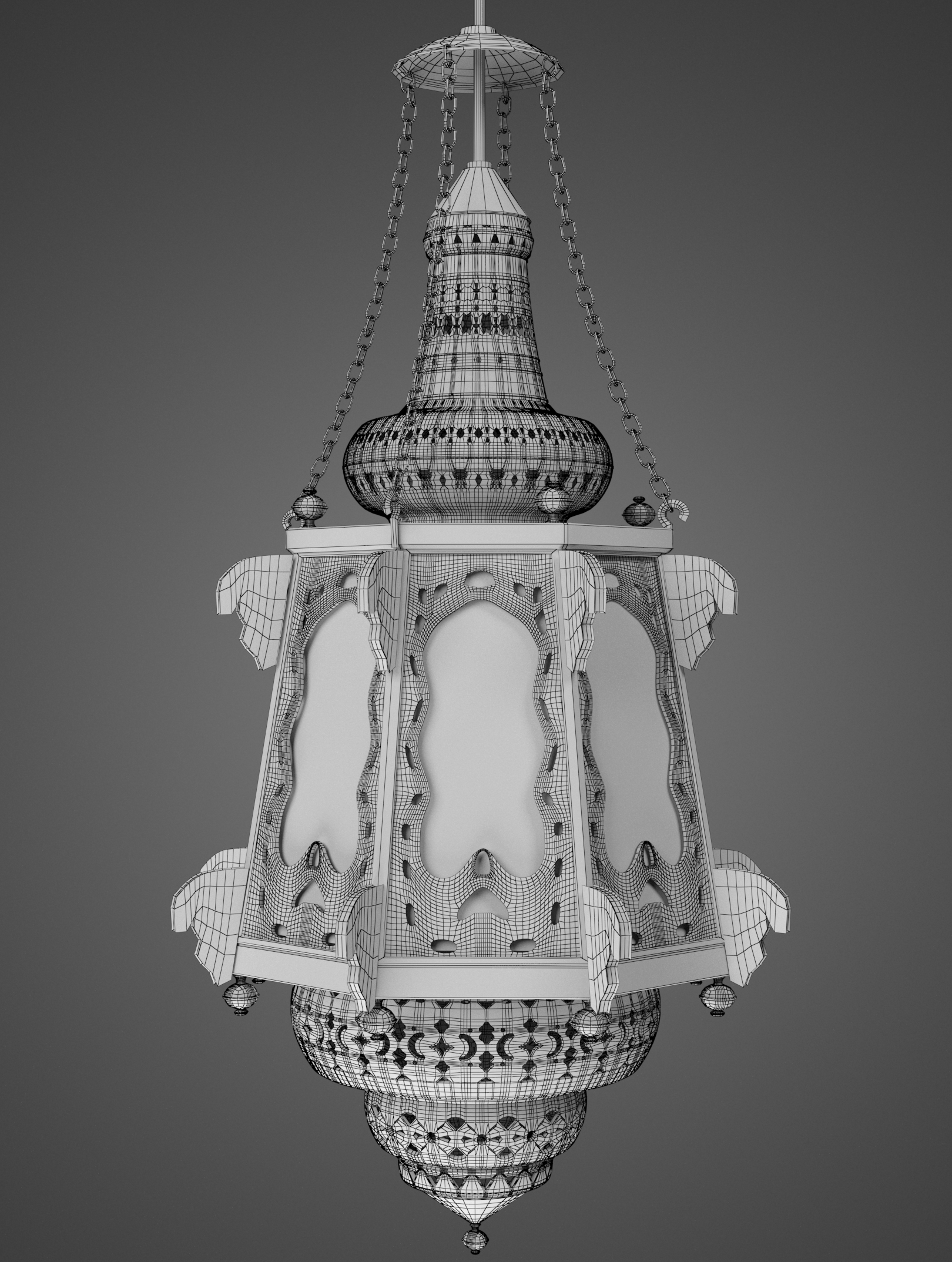
Both assets were developed entirely in 3ds Max through a workflow based on Polygonal Modeling, using Edge Extrusion as the primary construction technique and deliberately avoiding the use of boolean operations.
Throughout the entire process, homogeneous construction criteria were maintained between both models, prioritizing clean topology, consistent Edge Flow distribution, and correct surface continuity. This approach allowed for organized and easily editable geometry, facilitating the development of the UV Layout, texturing, and the integration of both props within the same visual asset pack.
Texturing
Texturing was performed entirely in Adobe Substance 3D Painter, using a single 2K Texture Set for each asset within a PBR workflow.
The materials were built using a layering system based on variations of Base Color, Roughness, wear, oxidation, and dirt accumulation, aiming to represent aged metallic surfaces with a coherent material response between both props. Although each asset features its own deterioration pattern, all texturing decisions were developed following the same artistic direction to maintain a consistent visual identity across the asset pack.
Environmental Storytelling
The presentation of the Asset Pack was conceived as a small environmental composition where every production decision contributes to reinforcing the visual storytelling of the collection.
The material treatment was designed so that the distribution of wear, oxidation, accumulated dirt, and Roughness variations responded to the same context of use, avoiding arbitrary patterns and reinforcing the feeling that both props belong to the same space. This material coherence allows each asset to retain its individual identity while sharing a common visual language that enriches the scene's credibility.
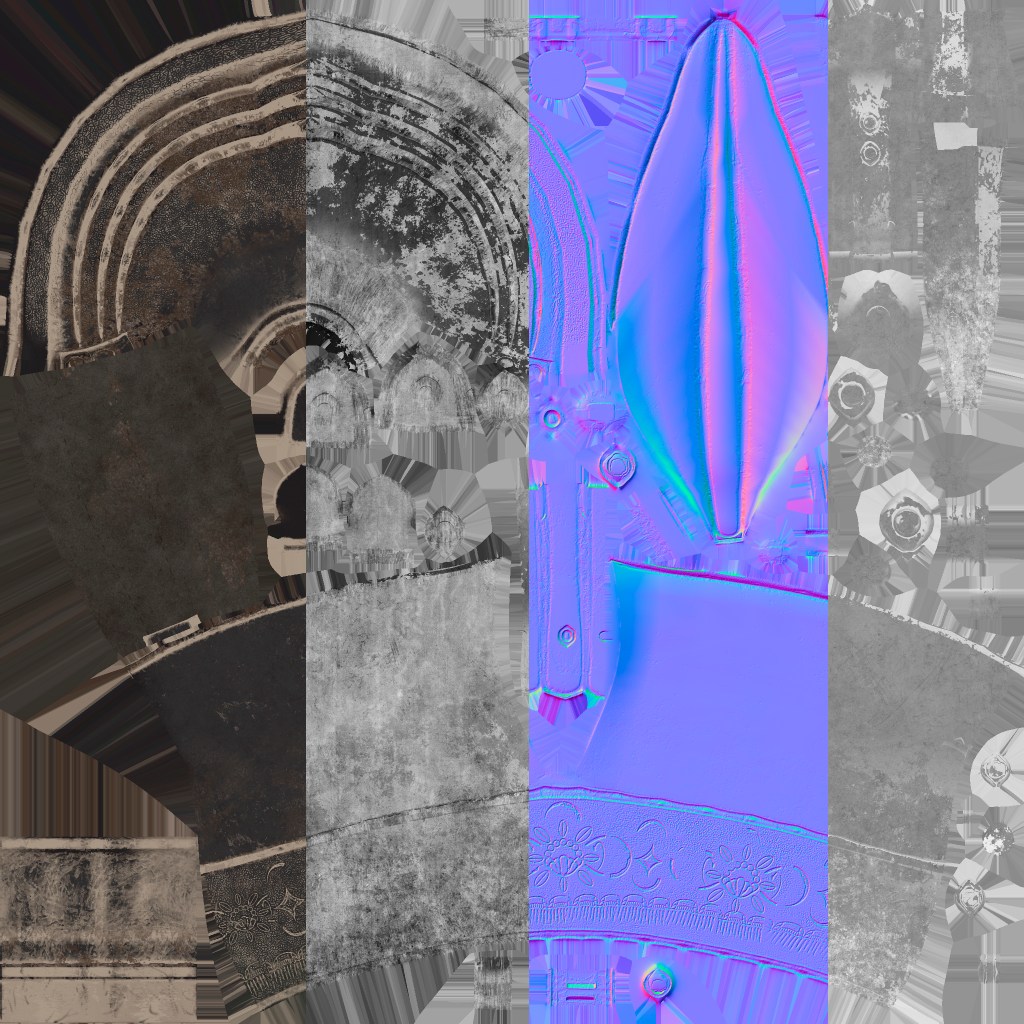
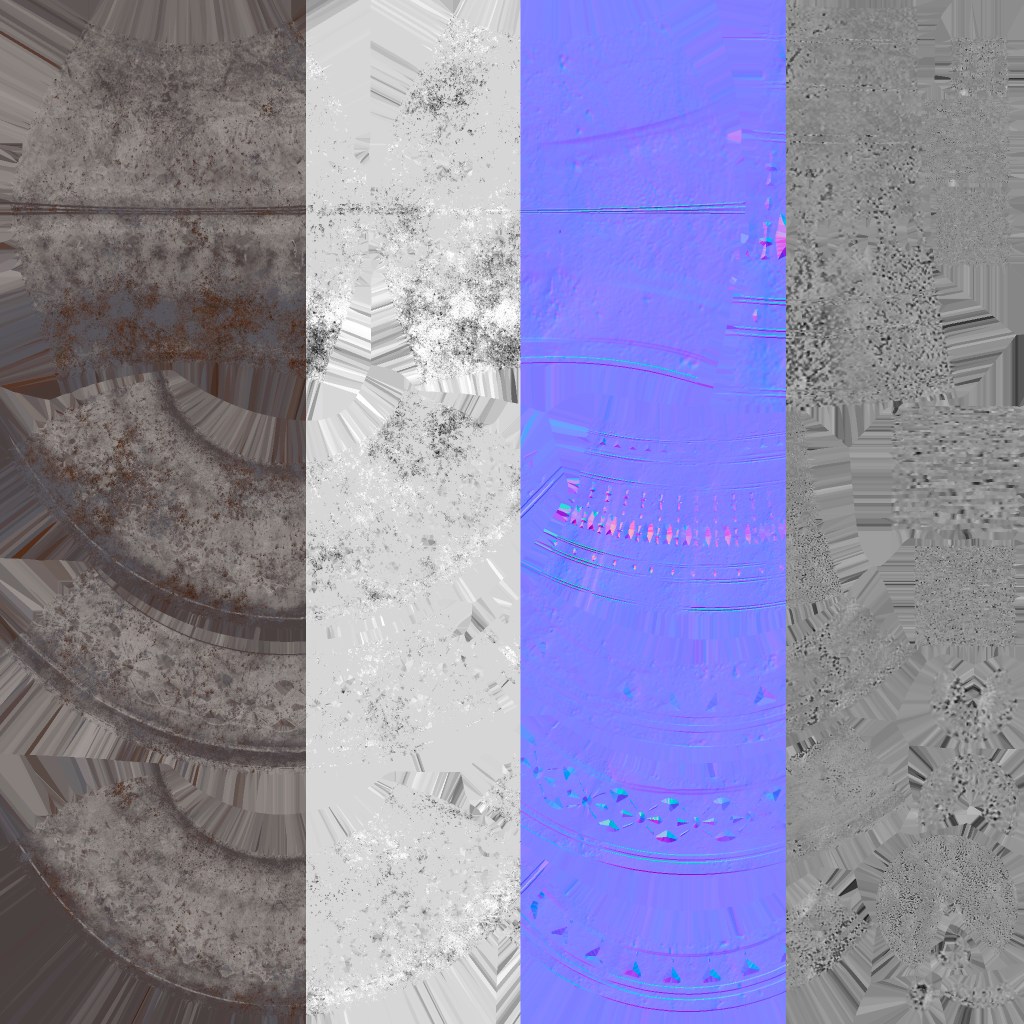
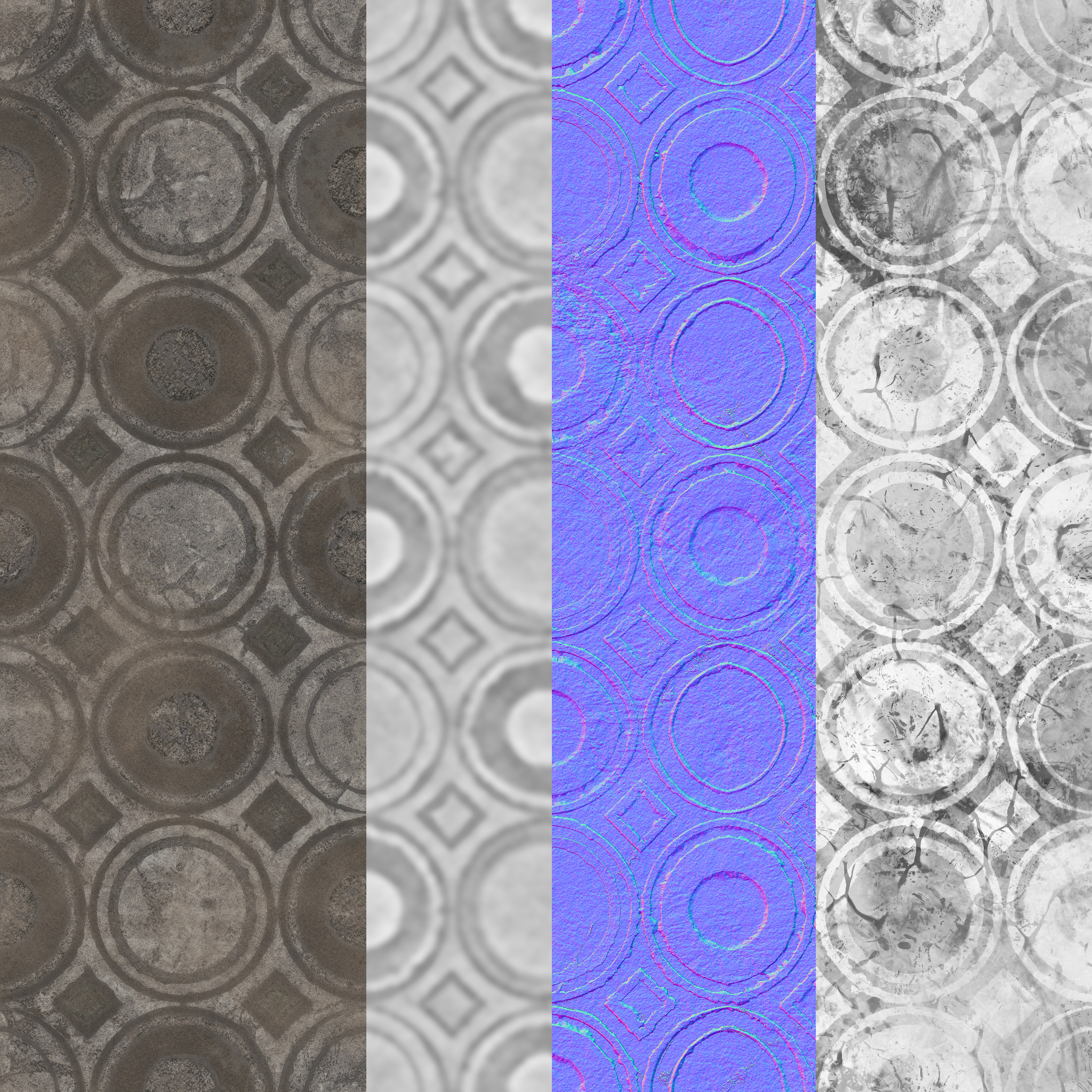
DIFUSSE/ROUGHNESS/NORMAL/HEIGHT
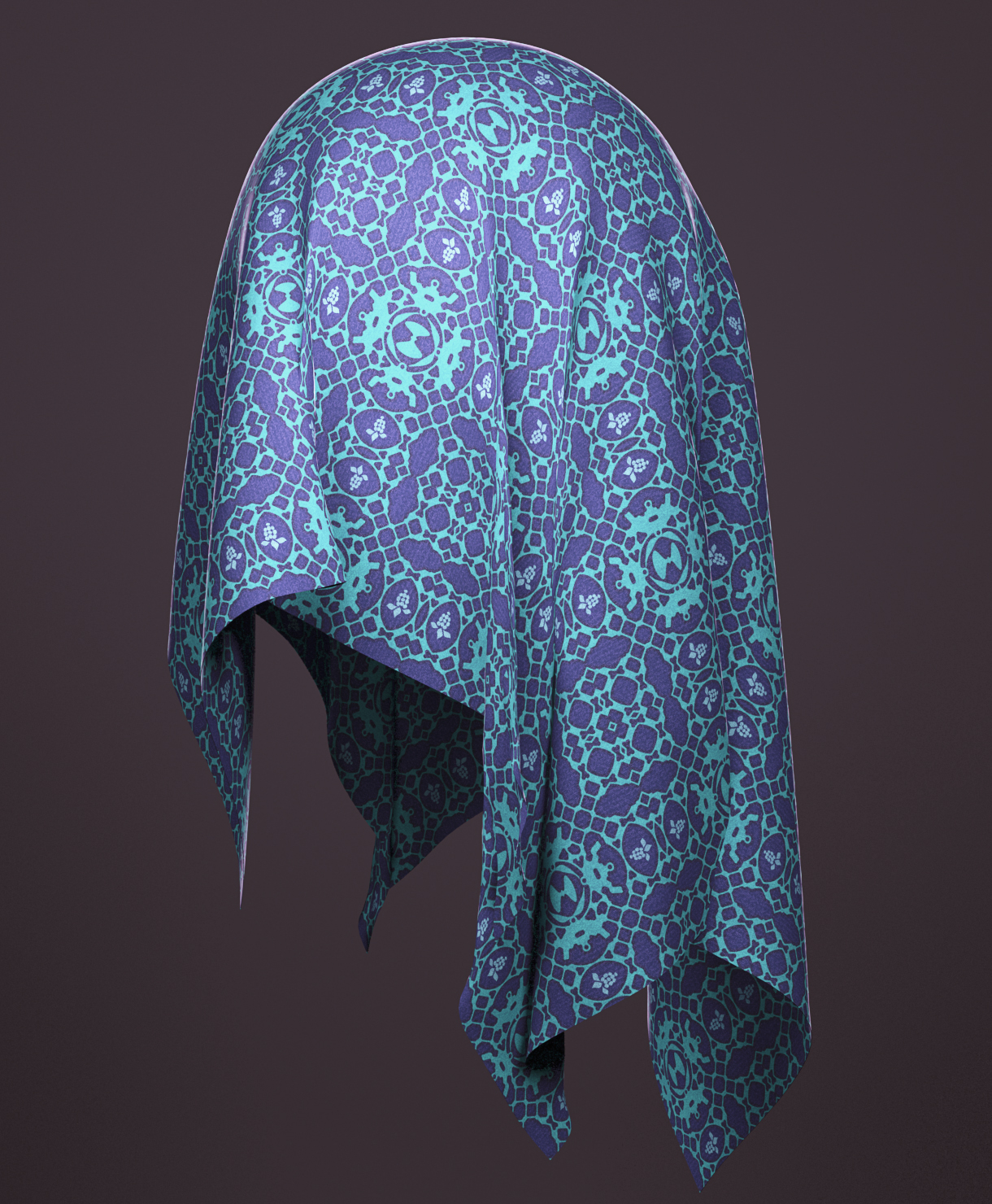
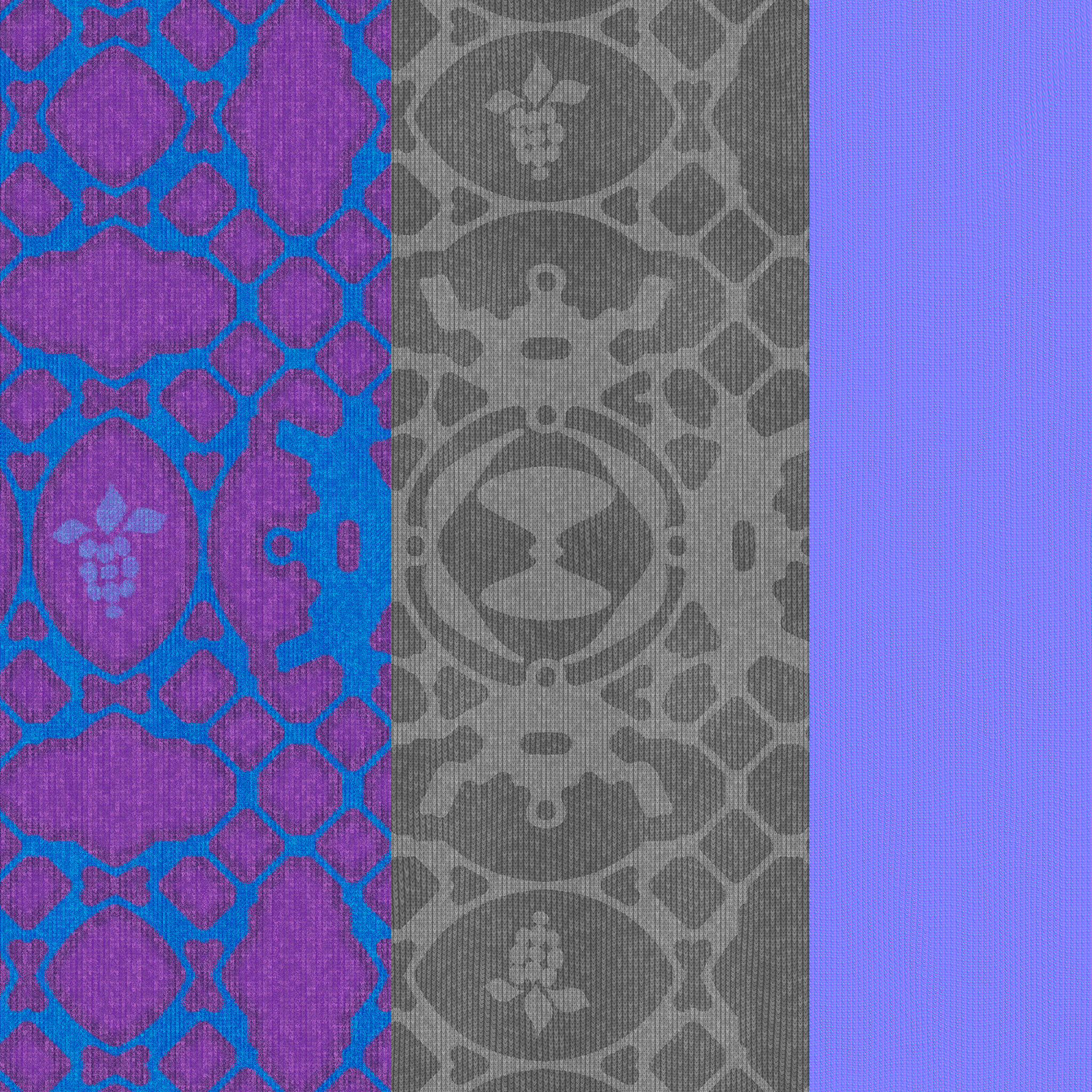
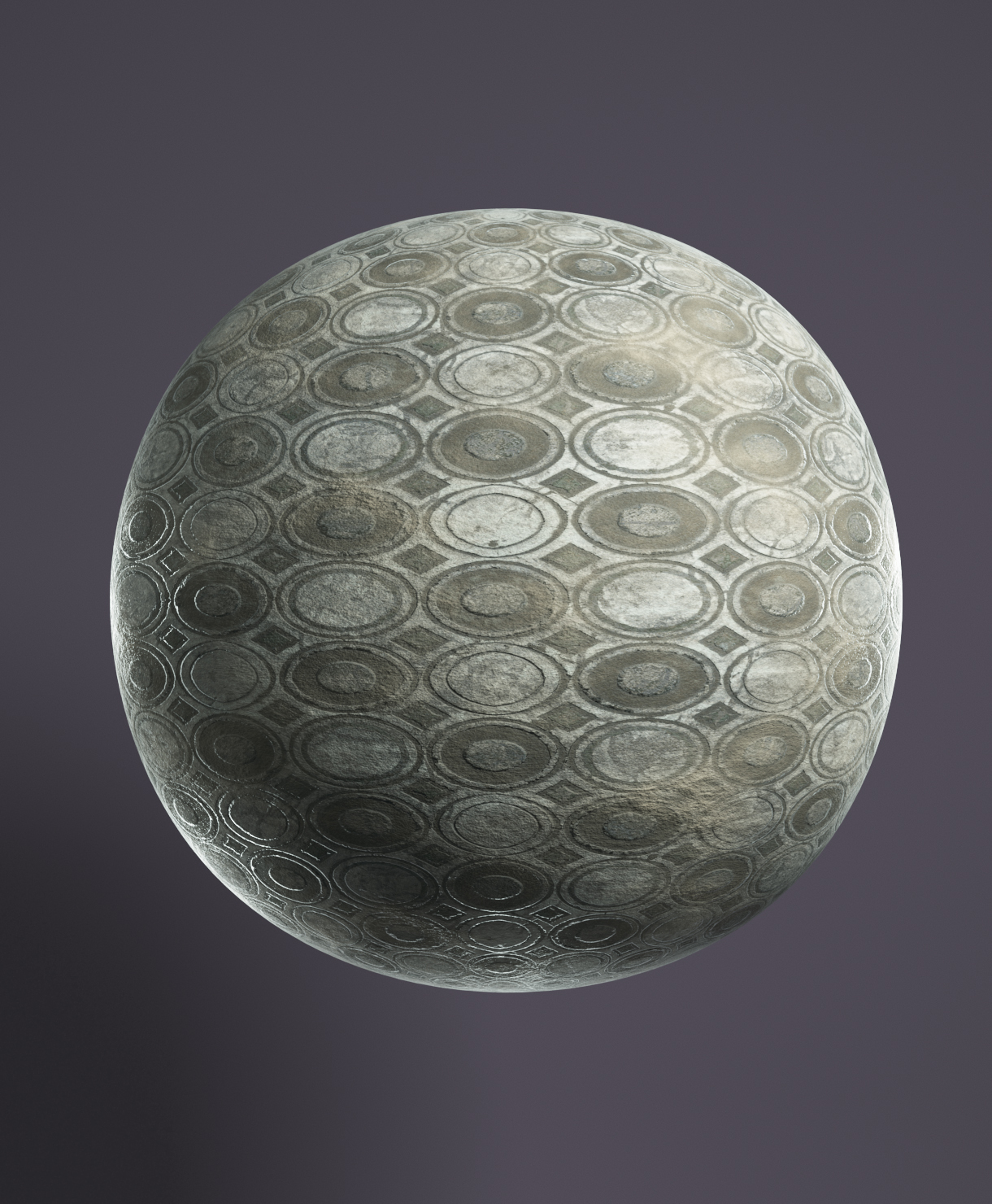
As a complement to this setting, the sheer curtain was generated using the Cloth system in 3ds Max, while both the textile pattern applied to the fabric and the procedural material used on the wall were developed entirely in Adobe Substance 3D Designer. These resources were incorporated not merely as decorative elements, but as part of the environmental storytelling, providing visual context, enriching the composition, and demonstrating the integration of procedural materials and physical simulation within the same production pipeline.
Render
The final validation was performed using V-Ray, utilizing a controlled lighting setup aimed at highlighting modeling quality, PBR material response, and visual coherence among all elements that make up the set. The composition seeks to show how a collection of secondary props, supported by materials and environmental elements developed specifically for the scene, can seamlessly integrate into an environment while maintaining a unified artistic identity.